
How Wintec measured safety culture across 18 business units and replaced a single score with a real roadmap
From organisational complexity to evidence-based wellbeing and safety improvement across one of New Zealand’s most diverse education providers.

The Challenge
Wintec had invested heavily in wellbeing and safety. What it lacked was an honest picture of whether all that effort was actually working — and where.
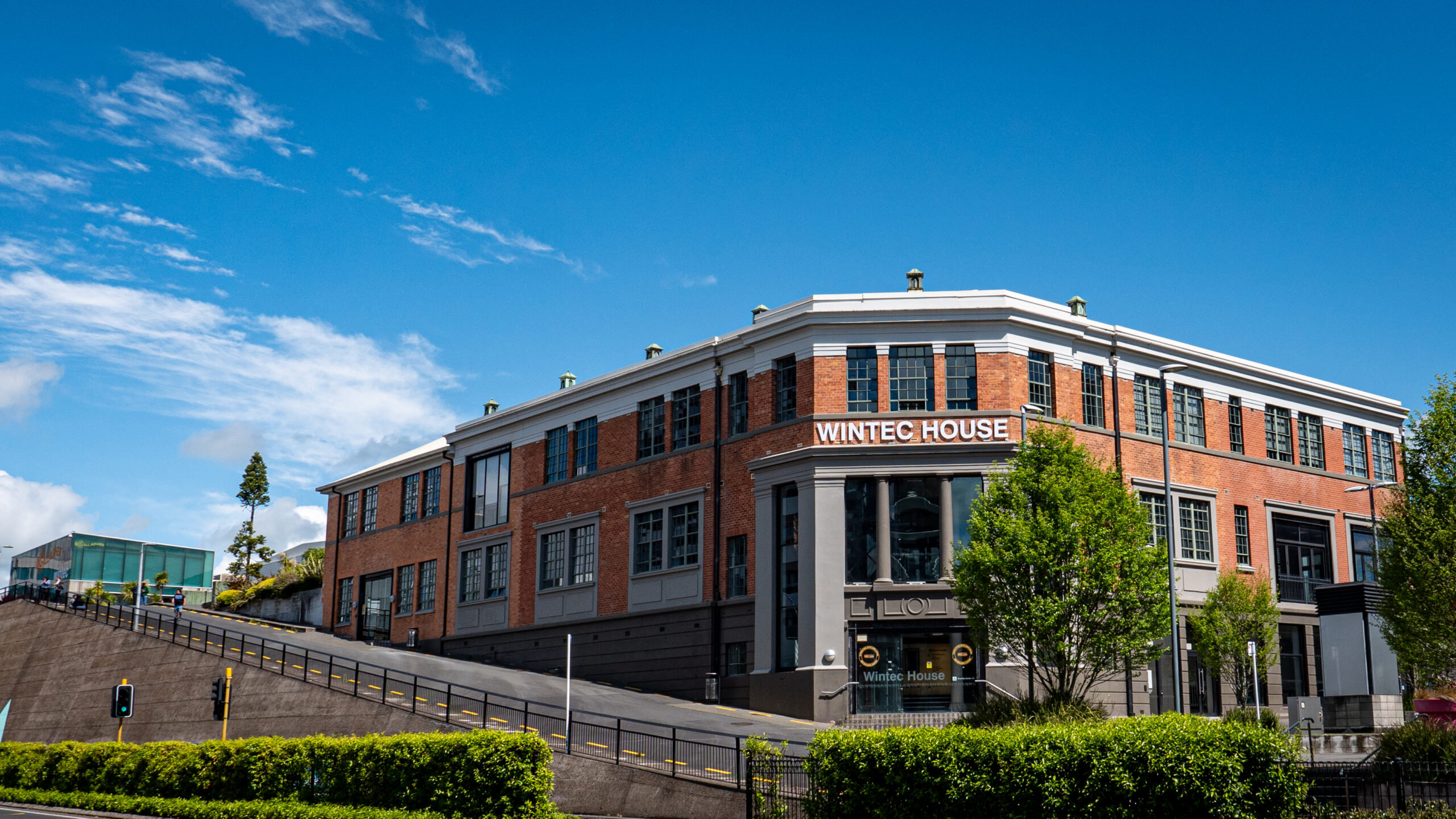
Wintec is one of New Zealand’s leading tertiary education providers. Its campuses span workshops, laboratories, commercial kitchens, health services, animal care facilities, field-based activities and learner wellbeing settings. In effect, Wintec manages the risks and wellbeing needs of many different industries inside a single organisation.
The organisation had already put in the work: policies, procedures, governance structures, training programmes and improvement initiatives were all in place. Activity was never the question.
The question was whether it was making a difference.
 “The assessment was the starting point, not the destination.” Katria Raffan, Wellbeing and Safety Director, Wintec
The single-score problem
A previous organisation-wide assessment had already exposed the limitation of measuring a complex organisation through one overall number. When an organisation is made up of many business units, each with its own safety sub-culture, a single score flattens all of that into one figure.
The overall result looked positive. But it masked important differences between business units — creating what Katria described as a ‘false sense of security’.
Wintec needed to see both pictures at once: the organisation as a whole, and the reality inside each individual business unit.
Wintec wanted an objective understanding of:
- Where to target investment, so spend went to the right programmes of work and could be measured for impact on harm reduction, productivity and business performance
- The real strengths and opportunities in its safety culture, and a measurable driver of risk
- A credible baseline to enable sustained improvement and harm reduction
Why Safe365
For Wintec, this was never about getting a score. It was about understanding where the organisation was, where it wanted to be, and how it would get there.
Safe365 offered more than a measurement framework. It provided evidence-based culture measurement, independent assessment, benchmarking, governance visibility and a structured pathway for improvement.
The ability to engage an independent assessor mattered most. Wintec’s wellbeing and safety team knew its own systems well — and Katria recognised that internal assessments can unintentionally introduce bias. An independent view surfaced the gap between work as imagined and work as done, helping leaders understand how systems were actually being experienced across the organisation.
“We weren’t looking for a score. We were looking for insight.”
“Having it independent from Nick, we could actually hear the voices of our people and what it is that they’re actually doing.”
The Solution
Rather than one organisational assessment, Wintec deliberately measured wellbeing and safety maturity across all 18 business units — building ownership where improvement actually happens.

Phase 1 — Planning & Alignment
Wintec chose to assess 18 separate business units rather than run a single organisational assessment. Individual dashboards were created for each unit, alongside an aggregated organisational dashboard — giving leaders visibility of both organisation-wide trends and the unique challenges within each area.
The design intent went beyond measurement. By giving each business unit access to its own insights, leaders could understand their current culture, identify local priorities, and take responsibility for improvement.
“We wanted staff to understand their current safety culture, take ownership for implementing actions to improve, and be accountable for outcomes.”
Phase 2 — Measurement
Independent Safe365 assessments were completed across all 18 business units, establishing a wellbeing and safety maturity baseline for the organisation. The process combined facilitated discussions with anonymous workforce feedback — giving leaders a far more accurate picture of workplace reality.
One of the most valuable early insights: awareness of a process did not always mean it was consistently applied. The assessment showed where systems existed, and where they still needed to be properly embedded.
“This is a tool that tells us what is actually happening on the ground.”
Phase 3 — Insights & Benchmarking
The aggregated dashboard revealed organisation-wide strengths, improvement opportunities and strategic priorities. At the same time, the business-unit dashboards surfaced local challenges that a single organisational score would never have shown.
The results challenged assumptions. Some areas expected to need the most attention performed strongly, while other priorities emerged unexpectedly.
Benchmarking became one of the programme’s most valuable outcomes. Internally, Wintec could compare all 18 business units to identify strengths, share what was working and target effort where it mattered. Externally, Safe365 provided sector benchmarking that is rarely available in tertiary education.
Safe365 data shows the Education & Training sector averages 52% safety culture maturity, approximately 2% below the all-organisations benchmark.
This lets organisations see their performance in context, comparing not only against education peers but against wider industry data from New Zealand and internationally.
Phase 4 — Improvement
The findings translated directly into action through organisational and business-unit improvement plans.
Wintec established:
- An organisational wellbeing and safety improvement workplan
- Business-unit action plans
- Quarterly monitoring and review cycles
- Governance reporting processes
- Annual independent reassessments
Crucially, ownership sits with business leaders, not the wellbeing and safety team alone. Each leader has their own dashboard to understand results, track progress and drive improvement. For a wellbeing and safety team of just three people supporting a large, complex organisation, that makes the model scalable and sustainable.

“They have to have ownership and accountability. That way we’re building their capability — and understanding what our true wellbeing and safety culture actually looks like.”
The Results
Safe365 gave Wintec something a single score never could — clarity on where to focus, unit by unit, and a shared way to talk about it from the frontline to the board.
The Strategic Impact
For Wintec, Safe365 has become much more than an assessment tool.
It has become a framework for understanding, measuring and improving wellbeing and safety across one of the most complex operating environments in the education sector. By combining business-unit measurement, organisational visibility and sector benchmarking, Wintec now has the evidence it needs to make better decisions about priorities, resources and future investment.
It has also created a sustainable model. Rather than relying on a central team to drive every initiative, leaders across the organisation now hold the data, visibility and accountability to own improvement in their own areas. As quarterly reviews and annual reassessments continue, Wintec has a consistent framework for measuring progress and keeping improvement aligned to organisational priorities.
“Safe365 didn’t give us a score — it gave us a roadmap.”
What This Means For Your Organisation

If you operate across multiple business units
Measuring individual units gives far greater insight than a single organisational score — and shows you where the real differences lie.
If you want to move beyond compliance
Evidence-based culture measurement shifts the conversation from activity and compliance to capability, effectiveness and continuous improvement.
If you have a small safety team supporting a large organisation
Safe365 distributes ownership and accountability, so leaders drive improvement using their own data and dashboards.
If governance and board reporting matter
Independent assessment, benchmarking and maturity data give you confidence when making strategic decisions about resources, investment and priorities.
Ready to turn your safety data into a roadmap?
Wintec’s journey shows how evidence-based culture measurement, benchmarking and improvement pathways create ownership, accountability and measurable progress — even across the most complex organisations.
Ready to take your organisation on the journey to proactive safety? Book a discovery call.